
Sell Silver Age Marvel Comics to a Local Buyer
If you have boxes of old Marvel comics from the 1960s, you may be holding the books we most want to buy. ComicBookBuying.com is a local comic book buyer based in Cherry Hill, New Jersey, and when people in the Greater Philadelphia area want to sell Silver Age Marvel comics, this is the material at the very top of our list.
You do not need to know what Silver Age means or which issues are important. Maybe you inherited a comic book collection, or you are clearing out a house and found a few long boxes in the attic. Below we explain, in plain words, how to spot that era, which titles we look for, and why worn stacks still deserve a look.
What we buy: comics from the 1930s to the mid-1980s, in any condition, from one box to a whole basement. We don’t buy newer comics, but when we buy an older collection we take the whole lot, newer comics mixed in included, so the family isn’t left with boxes.
Free collection review · Same-day cash · No obligation · South Jersey, Philadelphia and Northern Delaware
What Silver Age Marvel Means in Plain Words
When collectors say Silver Age Marvel, they mean Marvel comics from the 1960s. That is the decade when Spider-Man, the Fantastic Four, Thor, Iron Man, the Avengers and the X-Men first appeared.
Some of these books are key issues, a collector term for a first appearance or other landmark issue that collectors want most. Others are ordinary monthly issues. Both kinds matter to us, and you do not have to tell them apart to sell Silver Age Marvel comics to us.
How to Recognize 1960s Marvel Comics Without Being a Collector
Pick up a few books and check these clues:
- The cover price. Marvel comics cost 10¢ until 1962, then 12¢ through most of the 1960s, and 15¢ from late 1969. A Marvel cover marked 10¢ or 12¢ is from the 1960s or earlier.
- The top-left corner box. Many 1960s Marvel covers have a small box in the upper-left corner showing the price and issue number, often with tiny drawings of the heroes’ heads and the words Marvel Comics Group.
- The small print. Open the front cover and look for a few lines of tiny type near the bottom of the first page. They name the publisher and give a month and year, which is the quickest proof of age.
- The title. Names like Strange Tales, Tales of Suspense or Journey Into Mystery are strong hints on their own.
If a box mixes old and new comics, that is normal. You do not have to separate them; we do that part.
Helpful guides: What Is a Key Issue Comic? explains why a few books in a stack can matter more than the rest, and Comic Book Ages Explained walks through the Golden, Silver and Bronze Ages.
The Marvel Titles We Most Want to Buy
We buy whole collections, but these 1960s titles are the ones we hope to find most:
- Amazing Spider-Man, plus Amazing Fantasy, where Spider-Man first appeared in #15 (1962)
- Fantastic Four, starting with #1 from 1961
- Silver Surfer, the first series of 18 issues published from 1968 to 1970
- Strange Tales, including #110 (1963), the first Doctor Strange
- Journey Into Mystery and Thor; Thor first appeared in Journey Into Mystery #83 (1962)
- Tales of Suspense, including #39 (1963), the first Iron Man
- Tales to Astonish, including #27 (1962), the first Henry Pym
- Avengers and X-Men, which both began with #1 in 1963
- Daredevil and Hulk
Those numbered issues are examples, not a checklist; everyday issues of these titles count too. We also buy 1970s to mid-1980s Marvel, especially important first appearances and long runs; our page on 1970s Marvel comics lists the well-known ones.
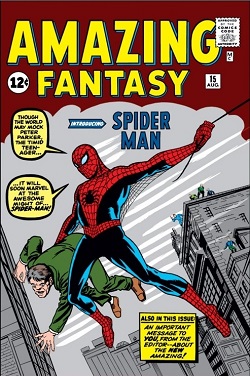
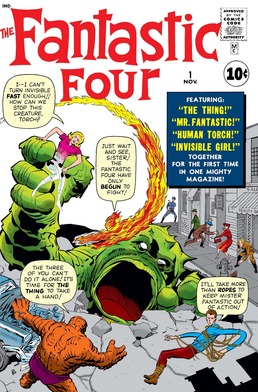
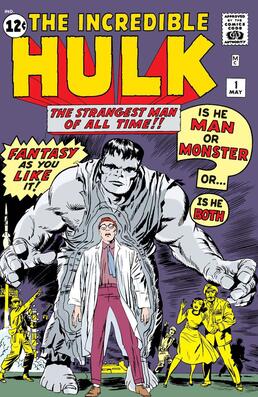
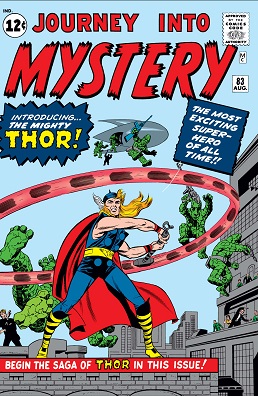
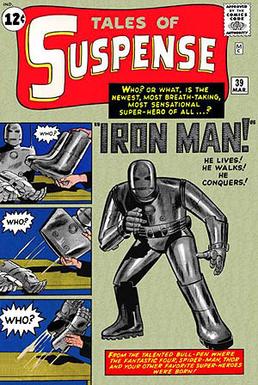
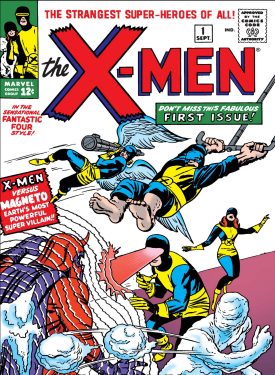
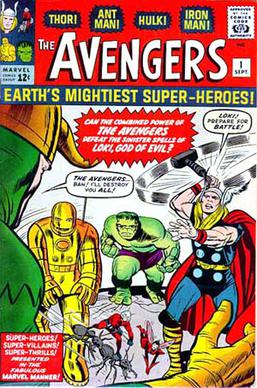
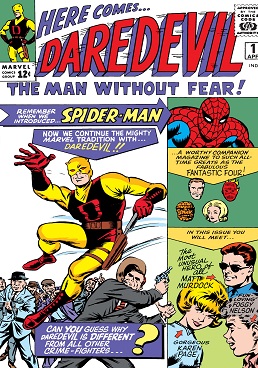
Covers shown to help you recognize the books. The characters and cover art are trademarks and copyrights of Marvel.
Why Complete or Long Runs Matter
A run is a stretch of consecutive issue numbers from the same title, such as Fantastic Four #20 through #60. Years of monthly buying often left behind a long run, which is exactly what we like to see.
Runs matter for two reasons. They tend to include important issues tucked in among ordinary ones, which a quick glance can miss. And many collectors look for unbroken stretches of a title, so a run with few gaps is more appealing than the same number of scattered singles.
If you plan to sell Silver Age Marvel comics, keep runs together and do not pull out the issues that look special. We evaluate a collection as a whole rather than cherry-picking a few books. If you are unsure whether you have a run, a photo looking down into each box is enough for us to tell.
Condition: Worn 1960s Marvels Can Still Matter
Many families assume that creased, faded, torn or musty comics are trash. With 1960s Marvel, that is often not true. Important issues are wanted even in rough shape, and we look at worn everyday issues from this decade rather than dismissing them.
Before you reach out, please do not throw anything away, tape tears, erase writing or try to clean covers. Leave the books as they are and keep them somewhere dry. For more on rough copies, read whether damaged comic books are worth anything.
If some books are sealed in hard plastic cases with a CGC or CBCS label, those are graded comics: an independent company has rated their condition. We buy graded comics too.
Inherited a box of 1960s Marvels? An Executor’s Guide to Selling a Comic Book Collection helps families and executors take things in a sensible order, and Old Comic Book Cover Prices shows how to date them from the price on the cover.
Ready to Sell Silver Age Marvel Comics? Here Is How to Start
Start with a short online form. A few photos help but are not required, and you do not need to identify, grade, sort or count anything. Sending it does not obligate you to sell.
Next we set up a Free Collection Review, where we look at the collection and make an offer. A manageable collection can come to one of our warehouse locations in New Jersey, Pennsylvania or Delaware by appointment. For a larger one, we look at your photos first and then review it in person at your location, so you never have to haul heavy boxes. See how the process works.
We buy collections in person within about a two-hour drive, and key issues by mail from farther away; our service area page has the details. Prefer to talk? Call (856) 438-8222 for South Jersey and Cherry Hill, (215) 390-0020 for Philadelphia and the Pennsylvania suburbs, or (302) 414-0544 for Northern Delaware.
Sell 1960s Marvel Comics by Title
Pick a title to see what to look for in the boxes, which issues matter and how to start.
Common Questions
How do I know if my Marvel comics are from the 1960s?
Check the cover price and the small print inside the front cover. A Marvel cover priced 10¢ or 12¢ is from the 1960s or earlier, and the small print gives the month and year.
Are 1960s Marvel comics worth anything if they are in bad condition?
Often, yes. Worn, creased or faded copies of these titles can still be wanted, so please do not throw them away before someone looks at them.
Do I need to make a list of my comics first?
No. You do not need to identify, grade, sort or inventory anything. A few photos of the boxes, or just a phone call, is enough to start.
Do you also buy newer comics?
We buy comics up to the mid-1980s, including 1970s and early-1980s Marvel. We do not buy newer comics on their own, but when we buy an older collection we take the whole lot, newer comics mixed in included.
Is the Free Collection Review really free?
Yes. We look at your collection and make an offer, and you are under no obligation to accept it.
Local Comic Book Buyers Serving Greater Philadelphia
We buy in person, by appointment, within about two hours of our Cherry Hill, New Jersey base. Call the team closest to you.
South Jersey and Cherry Hill
Camden, Burlington and Gloucester counties and the rest of South Jersey.
Philadelphia and PA Suburbs
Philadelphia and the surrounding Pennsylvania suburbs.
Northern Delaware
Wilmington and the surrounding Northern Delaware communities.
Get a Free Collection Review
Send a few photos or call. Same-day cash, no sorting and no obligation to sell.