
Sell Fantastic Four Comics, From Early Issues to Long Runs
The Fantastic Four arrived in 1961, before Spider-Man, the Avengers or the X-Men, and early issues of their comic are high on our list. If you want to sell Fantastic Four comics that have been sitting in a closet, basement or storage unit, ComicBookBuying.com will look at them in person and make an offer for the collection.
We are a local buyer from Cherry Hill, New Jersey, buying across South Jersey, Philadelphia and its suburbs, and Northern Delaware. You do not need to know a thing about collecting. The sections below explain what to look for in plain language.
What we buy: comics from the 1930s to the mid-1980s, in any condition, from one box to a whole basement. We don’t buy newer comics, but when we buy an older collection we take the whole lot, newer comics mixed in included, so the family isn’t left with boxes.
Free collection review · Same-day cash · No obligation · South Jersey, Philadelphia and Northern Delaware
How to Tell If Your Fantastic Four Comics Are Early Issues
Start with the cover. The title runs across the top, and on many 1960s issues a small box in the upper-left corner shows the issue number, the price and often the four heroes’ faces. Then check these details:
- Price: The very first issues cost 10¢. Marvel raised the price to 12¢ in 1962, kept it there through most of the decade and moved to 15¢ in late 1969.
- Date: Tiny print at the bottom of the first inside page gives a month and year. A date from the 1960s is what we hope to see.
- Issue number: The series began with #1 in 1961, so lower numbers are older.
A 10¢ Fantastic Four comes from the very start of the series. Handle it gently and keep it with the rest of the collection. If you are not sure what you have, a photo of the cover and one of the small print is plenty for us to tell.
Fantastic Four #1, #48 and #52
Three issues stand out. Each is a key issue, meaning a first appearance or other landmark that collectors want most:
- Fantastic Four #1 (1961): the first issue of the series and the debut of the team.
- Fantastic Four #48 (1966): the first appearance of the Silver Surfer and Galactus.
- Fantastic Four #52 (1966): the first appearance of the Black Panther.
Worn copies of these issues still deserve a careful look. The Silver Surfer later got his own series, which ran 18 issues from 1968 to 1970. If those turn up in the same boxes, see our page on how to sell Silver Surfer comics.
Helpful guides: What Is a Key Issue Comic? explains why a few books in a stack can matter more than the rest, and Comic Book Grading Explained covers the 10-point scale and the flaws that lower a grade.
Fantastic Four Key Issues We Look For
Fantastic Four started Marvel’s 1960s hero line, so its early issues hold a long list of firsts. These are the ones collectors ask about most. Set any you find aside flat and photograph them as they are.
- Fantastic Four #1 (1961): the first Fantastic Four and the first Mole Man.
- #2 (1962): the first Skrulls.
- #4 (1962): the Sub-Mariner returns for the first time since the 1950s.
- #5 (1962): the first Doctor Doom.
- #12 (1963): the team meets the Hulk.
- #13 (1963): the first Watcher and the first Red Ghost.
- #45 (1965): the first Inhumans.
- #48, #49 and #50 (1966): the Galactus story, with the first Silver Surfer in #48.
- #52 (1966): the first Black Panther.
- Annual #1 (1963): a long Sub-Mariner story that introduces Krang.
- Annual #2 (1964): the origin of Doctor Doom.
- Annual #3 (1965): the wedding of Reed Richards and Sue Storm.
- Annual #5 (1967): the first Psycho-Man and the first solo Silver Surfer story.
- Annual #6 (1968): the first Annihilus and the birth of Franklin Richards.
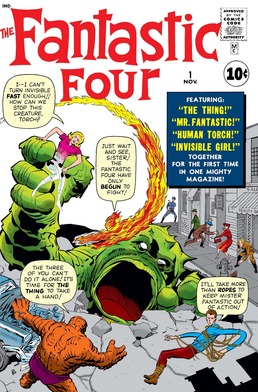
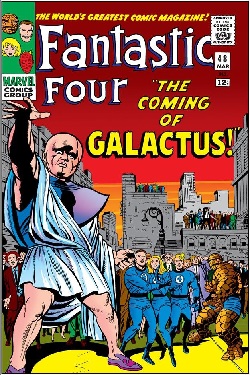
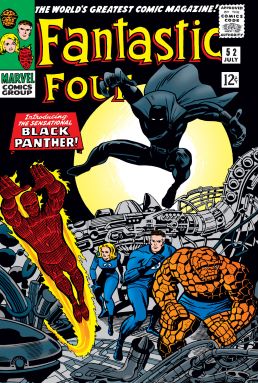
Covers shown to help you recognize the books. The characters and cover art are trademarks and copyrights of Marvel.
Original or Reprint?
Fantastic Four #1 was reprinted in a 1966 book-and-record set with no price on the cover, and again in newer editions with a much higher cover price. In the 1970s, a title called Marvel’s Greatest Comics reprinted the early stories under its own name. An original early issue shows a 10¢ or 12¢ price.
About the Prices You See Online
Auction records for Fantastic Four #1 come from rare copies in top condition. A typical family copy is creased or worn and sells for far less, yet early Fantastic Four keys stay in demand in every condition, so a tired copy is still worth showing us. Outside our area? Key issues like these can also come to us by mail.
Why We Like Long Fantastic Four Runs
A run is a group of consecutive issue numbers from the same title. Fantastic Four was the kind of comic people bought every month, so family collections sometimes hold dozens of issues in a row.
We value runs because they tell the story issue after issue, and because landmark issues are often hiding inside them. A run with a few gaps is still a run, so do not worry if some numbers are missing. If you decide to sell Fantastic Four comics, keep the books together the way you found them, and we will evaluate the collection as a whole instead of picking out a few books.
Condition, Wear and Graded Copies
Comics from the 1960s were printed to be read, not saved, so most show some wear. Spine creases, rolled corners, faded colors, writing on the cover and a musty smell are all common. None of that automatically makes an early Fantastic Four worthless. For more detail, see are damaged comic books worth anything.
Some owners had key books graded by CGC or CBCS. Graded means a company examined the comic, gave it a condition rating and sealed it in a hard plastic case with a label. We buy CGC and CBCS graded comics from the 1930s to the mid-1980s. Please leave the cases sealed.
Other Marvel From the Same Boxes
If your boxes hold Fantastic Four, they may also hold other Marvel titles from the same years, such as Amazing Spider-Man, Avengers, X-Men, Strange Tales or Journey Into Mystery. All of them are part of our Silver Age Marvel buying.
Later Fantastic Four from the 1970s and early 1980s, often called the Bronze Age, is part of what we buy too, especially long runs and important first appearances. We do not buy comics newer than the mid-1980s on their own, and we will tell you plainly, so you do not waste your time. Mixed in with older issues, they come along with the whole lot.
Inherited a box of Fantastic Four comics? An Executor’s Guide to Selling a Comic Book Collection takes you from keeping the collection together to the written receipt. Only just found them? What to Do With Old Comic Books is a good place to start.
Getting Started When You Want to Sell Fantastic Four Comics
Getting started takes a few minutes. Fill out our short online form and, if you can, attach a few photos: some covers, the small-print dates, or simply the open boxes. Photos help but are not required, and you do not need to sort, grade, identify or list anything. Sending the form does not oblige you to sell.
Next comes a Free Collection Review: we look at the comics and make you an offer. Manageable collections can be brought by appointment to a warehouse location in New Jersey, Pennsylvania or Delaware. For larger collections, we arrange an in-person visit after seeing photos, so nobody has to carry heavy boxes down the stairs. Read how it works for the full process, or check our service area, which reaches about a two-hour drive.
Rather call? South Jersey and Cherry Hill: (856) 438-8222. Philadelphia and PA suburbs: (215) 390-0020. Northern Delaware: (302) 414-0544.
Other 1960s Marvel Titles We Buy
Most boxes hold more than one title. These guides cover the others we look for most.
Common Questions
How do I know if I have Fantastic Four #1?
Look for #1 on the cover, a 10¢ price and a 1961 date in the small print inside. If you think you have it, keep it flat and dry and send us a photo.
Is a worn Fantastic Four #48 still worth selling?
Often, yes. Important issues like #48 are wanted in many conditions, so show it to a buyer before deciding it is too damaged.
Do you buy Fantastic Four comics from the 1970s?
Yes. Long runs and important first appearances from the 1970s matter most, and the 1960s issues are our main interest.
Should I separate the Fantastic Four from my other comics?
No need. Leave everything as it is; we review the whole collection and do the sorting ourselves.
Do you buy Silver Surfer comics too?
Yes. The first Silver Surfer series, which ran 18 issues from 1968 to 1970, sits near the top of our list alongside early Fantastic Four.
Where can I sell Fantastic Four comics in person?
We buy by appointment, within about a two-hour drive. That includes South Jersey, Philadelphia and its Pennsylvania suburbs, and Northern Delaware.
Local Comic Book Buyers Serving Greater Philadelphia
We buy in person, by appointment, within about two hours of our Cherry Hill, New Jersey base. Call the team closest to you.
South Jersey and Cherry Hill
Camden, Burlington and Gloucester counties and the rest of South Jersey.
Philadelphia and PA Suburbs
Philadelphia and the surrounding Pennsylvania suburbs.
Northern Delaware
Wilmington and the surrounding Northern Delaware communities.
Get a Free Collection Review
Send a few photos or call. Same-day cash, no sorting and no obligation to sell.